In the healthcare sector, collaboration is not just beneficial—it’s essential. This is especially true in the world of paramedical education, where teamwork plays a pivotal role in shaping competent and skilled professionals. From classrooms to clinical settings, the ability to work effectively as part of a team is crucial for future paramedical professionals.
Why Teamwork Matters in Paramedical Education
- Patient-Centered Care
In real-world healthcare scenarios, patient outcomes often depend on how well a medical team collaborates. Paramedical professionals such as lab technicians, radiographers, physiotherapists, and emergency medical technicians work closely with doctors and nurses to provide timely and accurate care. Without seamless teamwork, the risk of miscommunication, delays, and errors increases, jeopardizing patient safety. In education, developing these collaborative skills early prepares students to step into real-world environments with confidence. - Multidisciplinary Learning Environment
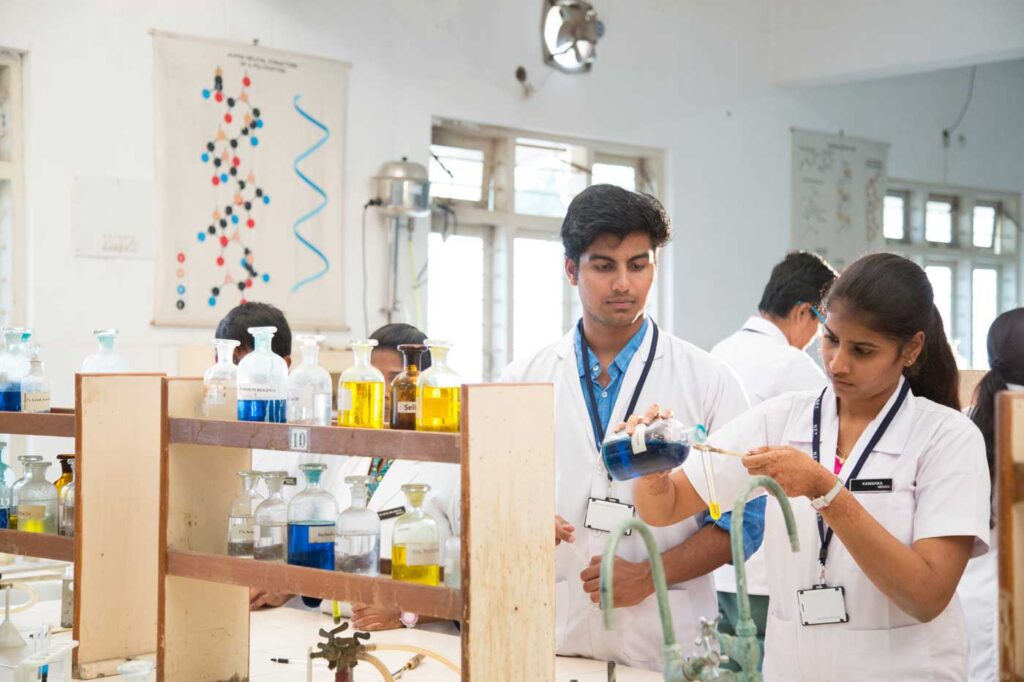
Paramedical professionals often come from various specializations, each with its own set of skills and knowledge. Through teamwork in the classroom, students learn to appreciate the strengths and expertise that each discipline brings. Whether it’s working on a simulated emergency case or collaborating in a lab setting, these experiences foster an understanding of how every role contributes to comprehensive patient care. This multidisciplinary approach mirrors the real-world healthcare ecosystem, where professionals from different areas come together for a common goal—saving lives. - Problem-Solving and Critical Thinking
Healthcare is full of unexpected challenges, and solving these often requires a team approach. In paramedical education, teamwork helps students develop critical thinking skills by exposing them to various perspectives. When faced with complex patient cases or intricate diagnostic procedures, students working together learn to analyze problems from different angles and come up with more innovative and effective solutions. This collaborative problem-solving is an invaluable skill in their future roles. - Building Communication Skills
One of the fundamental aspects of teamwork is effective communication. In paramedical education, students must learn how to convey information clearly and accurately, both to their peers and instructors. This experience directly translates to their professional roles, where clear communication with colleagues and patients can prevent critical errors. Paramedical education programs that emphasize teamwork help students develop these vital communication skills, making them more proficient and reliable healthcare professionals. - Developing Leadership and Interpersonal Skills
Teamwork in paramedical education provides opportunities for students to take on different roles, including leadership positions. Whether they’re leading a group project or coordinating a simulated clinical procedure, these experiences help students understand the dynamics of leadership within a healthcare team. They learn how to manage group dynamics, resolve conflicts, and motivate their peers—all essential skills in fast-paced healthcare environments where leadership can directly impact patient outcomes. - Fostering Resilience and Emotional Support
Healthcare can be a stressful and emotionally demanding field. Teamwork helps students build resilience by providing a support network of peers who understand the challenges they face. In paramedical education, working in teams allows students to share their struggles, celebrate their successes, and develop coping mechanisms together. This sense of camaraderie fosters emotional well-being, ensuring that students are not only skilled professionals but also mentally prepared to handle the pressures of their future careers.
How Educational Institutions Promote Teamwork in Paramedical Programs
- Collaborative Learning Techniques
Many paramedical education programs now incorporate collaborative learning methods, such as group assignments, case studies, and problem-based learning scenarios. These methods encourage students to work together to solve problems and complete tasks, mirroring the team-based nature of the healthcare industry. - Simulated Real-World Scenarios
Simulations and role-playing activities provide paramedical students with hands-on experience working in teams. These simulations often recreate real-life medical situations, requiring students to collaborate under pressure, communicate effectively, and make quick decisions—just as they would in an actual healthcare setting. - Interdisciplinary Training
Some paramedical institutions facilitate interdisciplinary learning, where students from different healthcare disciplines work together in clinical training environments. This type of education helps them understand how different professionals contribute to patient care and enhances their ability to collaborate with various healthcare team members.
Conclusion
In the ever-evolving landscape of healthcare, teamwork is the backbone of effective patient care. By embedding collaboration into paramedical education, institutions prepare students for the realities of the workplace. The ability to communicate, problem-solve, and work harmoniously with others will shape not only their careers but also the quality of care they provide to patients. As paramedical professionals of the future, students who master teamwork will be well-equipped to meet the challenges of modern healthcare, contributing to healthier, safer communities.